Basement Mold Remediation: A Homeowner's Practical Guide
If you have spent any time in a basement that smells musty or damp, you already know the feeling. That faint, earthy odor is often the first sign of a larger problem. Mold in a basement is not just an aesthetic issue; it can affect the air you breathe and the structure of your home. Over the years, I have worked on enough damp basements to know that quick fixes rarely work. Real results come from understanding what is happening down there and taking methodical steps to fix it.
Why Basements Are Mold Magnets
Basements sit below grade, surrounded by soil that holds moisture. Concrete walls and floors wick that moisture inward through capillary action. Add a little condensation from humidity or a slow plumbing leak, and you have the perfect environment for mold spores to settle and grow. I have seen basements where a small crack in the foundation let in just enough water to sustain a colony of mold behind a drywall partition. The mold was invisible until someone tore the wall open. That is the thing about basement mold; it often hides in crawlspaces, behind paneling, or under carpet.
Humidity is the main driver. Even if there is no standing water, high humidity levels keep surfaces damp enough for mold to thrive. A relative humidity above 60 percent in a basement is a red flag. I tell homeowners to pick up a simple hygrometer and check the reading in different seasons. That small tool can tell you more about your basement's health than a lot of expensive gadgets.
Can You Handle It Yourself?
Small patches of mold on a concrete wall or around a window might be something you can clean yourself. But when the growth covers more than about ten square feet, or when it has infiltrated porous materials like drywall, carpet, or wood framing, it is time to think differently. At that scale, disturbing the mold can release a cloud of airborne mold spores into your living space. That is when a removal contractor with proper containment and HEPA vacuum equipment becomes necessary.
I remember one job in a Boston row house where the homeowner had tried scrubbing a moldy wall with bleach for weeks. Every time they scrubbed, the mold seemed to come back stronger. Bleach is not a great choice for porous surfaces. It breaks down quickly on contact with organic material, and the high water content can soak into wood or drywall, actually feeding the mold deeper. For non-porous surfaces like tile or glass, bleach works fine. For wood, concrete, or drywall, a better option is a product like Concrobium or RMR-141, which are designed to penetrate and kill mold at the root without leaving excess moisture behind.
The Professional Approach to Basement Mold Remediation
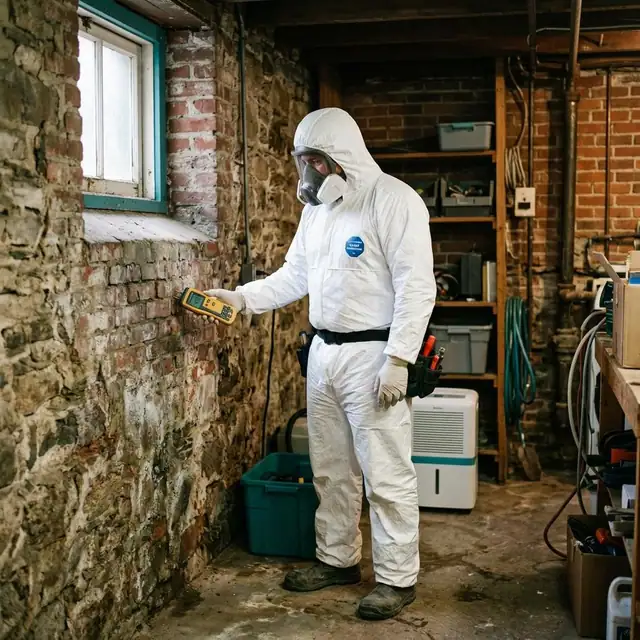
When a basement has widespread mold, proper remediation follows a specific order. First comes containment. The work area gets sealed off with plastic sheeting to prevent spores from traveling upstairs. Workers wear personal protective equipment, including N95 or better respirators, gloves, and eye protection. Then comes the removal of contaminated materials. Drywall, insulation, carpet, and padding that cannot be saved are bagged and disposed of according to local regulations.
Next comes cleaning. Every hard surface gets scrubbed with a cleaner like TSP substitute, which removes mold residue without the harshness of trisodium phosphate. After cleaning, a HEPA vacuum goes over everything to capture fine particles. An air scrubber with a HEPA filter runs continuously during the process to keep airborne spore counts low. I have watched certified technicians use these machines to bring a basement from smelling like a wet dog to smelling like nothing at all.
Sometimes, especially in historic Boston homes with fieldstone foundations, the mold has soaked into the mortar and stone. In those cases, dry ice blasting can be very effective. It uses frozen carbon dioxide pellets that sublimate on contact, blasting away mold without water or chemicals. The process leaves no secondary waste and does not introduce moisture, which is a huge advantage in an already damp space.
Treating the Source
Cleaning the mold is only half the work. The other half is stopping it from coming back. That means addressing the moisture problem. Leak detection is a good place to start. A small pipe leak behind a wall can keep a basement damp for years without anyone noticing. Fixing that leak can solve the mold problem more effectively than any cleaning product.
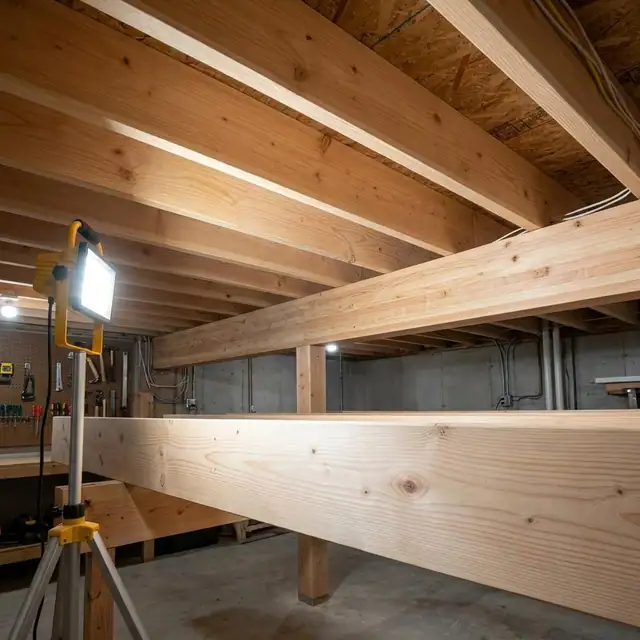
Basement waterproofing from the outside is the gold standard, but it is expensive and disruptive. For many homes, interior solutions work well enough. Installing a sump pump and a dehumidifier can keep relative humidity in check. Applying an antimicrobial sealant to bare concrete walls after cleaning creates a barrier that mold cannot easily colonize. There are also mold fogger treatments that can reach into cracks and crevices that brushes and vacuums miss, though they should only be used by someone trained in their application.
When to Call a Professional
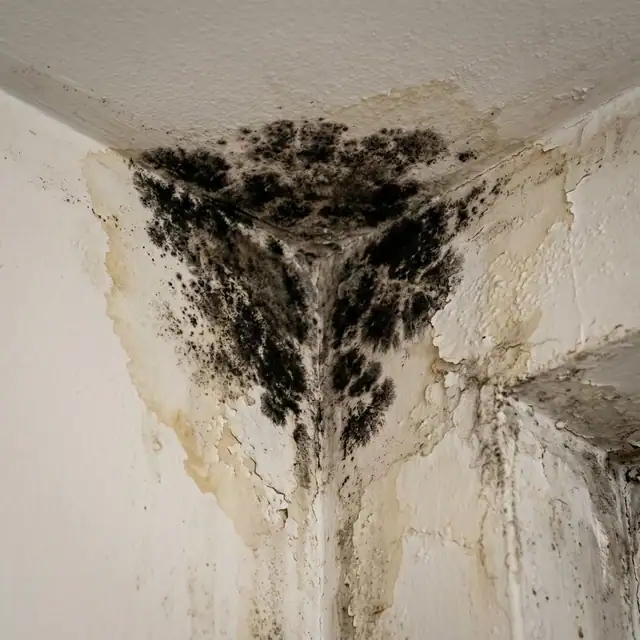
I have come across basements where the mold problem was obvious: black spots covering the walls, a strong musty smell, and visible water stains. But I have also seen basements where the mold was hidden inside an HVAC duct or behind a finished wall. In those cases, the homeowner had no idea there was a problem until someone did air quality testing. Testing can reveal elevated spore counts even when nothing looks wrong. If you suspect mold but cannot see it, a professional inspection with air sampling can give you clear answers.
When you do call a removal contractor, look for one who follows EPA guidelines for mold remediation. The EPA does not certify mold remediators, but reputable companies follow the standards laid out in the EPA's guide for mold cleanup in buildings. A good contractor will walk you through their process, show you their containment setup, and explain how they will handle the waste. They should also talk about preventing recurrence, not just cleaning what is there now.
Long-Term Prevention
Once the basement mold remediation is done, keeping it dry is the only way to stay ahead. I recommend a few simple habits. Check gutters and downspouts to make sure water drains away from the foundation. Grade the soil around the house so it slopes away. Install a vapor barrier on the basement floor if there is none. And run a dehumidifier during the humid months. I have a friend in Boston who keeps a small dehumidifier running in his basement from May through September. He empties it once a day, and his basement stays dry and clean year after year.
Another tip: avoid storing cardboard boxes directly on the basement floor. Cardboard soaks up moisture like a sponge and gives mold a perfect place to grow. Use plastic bins with tight lids instead. And if you have a crawlspace, check it at least twice a year. Crawlspaces are notorious for mold because they are dark, damp, and rarely visited. A simple inspection with a flashlight can catch a small leak before it turns into a full-blown mold colony.
Basement mold remediation is not a one-and-done task. It requires a combination of cleaning, moisture control, and ongoing vigilance. But the payoff is a basement that is safe, healthy, and usable. Whether you do it yourself for small spots or hire a certified technician for a major infestation, the principles are the same: remove the mold, fix the moisture, and keep it dry. That is the formula that works, and I have seen it succeed in basements of all ages and conditions.